
Bedbugs - Preparing the apartment before intervention
Bed Bugs – Preparing Your Apartment Before Treatment
Bed bug extermination is a demanding process, and your cooperation is essential for a successful outcome.
A properly prepared treatment area significantly improves the effectiveness of the treatment and helps ensure the best possible results.
In addition, treatment often cannot be carried out at all in apartments that have not been prepared properly.
Therefore, we would like to ask for your cooperation. Proper preparation allows the treatment to reach even hard-to-access hiding places where bed bugs commonly live, enabling you to return to normal use of the treated rooms as soon as possible.
An effectively carried out treatment saves both our time and your money. In a properly prepared apartment, and provided that all recommendations are followed, we guarantee complete bed bug eradication in two treatments.
How Can You Recognize a Bed Bug Infestation?
The most common signs of bed bugs include:
✔ itchy bites that appear especially after waking up
✔ small blood stains on sheets and bedding
✔ tiny black spots (bed bug droppings) on mattresses, beds, or walls
✔ shed skins from developing bed bugs
✔ live bed bugs around beds, mattresses, or upholstered furniture
The sooner the problem is addressed, the easier and faster it is to eliminate.
What Areas Will Be Treated?
The insecticide will primarily be applied to:
✔ beds, mattresses with covers, bed frames, slats, and storage compartments
✔ unfolded sofas and couches, including storage compartments
✔ bedside tables, storage chests, cabinets, wardrobes, and surrounding areas
✔ walls behind beds and sofas, including shelves and curtain rails
✔ floors, carpets, skirting boards, wall paneling, and areas around windows and doors
✔ the backs of pictures and wall decorations
✔ cracks, crevices, gaps, and voids in walls and furniture
The treatment is not applied directly to bedding, clothing, books, electronics, or other personal belongings.
Preparing the Room Before Treatment
✔ Empty all storage compartments in beds and sofas.
✔ Remove bed linen, pillowcases, duvet covers, pillows, and blankets (but not mattress covers) and place them in plastic bags. Seal the bags tightly.
✔ Remove items from around beds, sofas, and bedside tables (lamps, clothing, toys, books, etc.).
✔ Move beds, furniture, and sofas approximately 20 cm (8 inches) away from the walls. If possible, disassemble furniture to expose hidden areas.
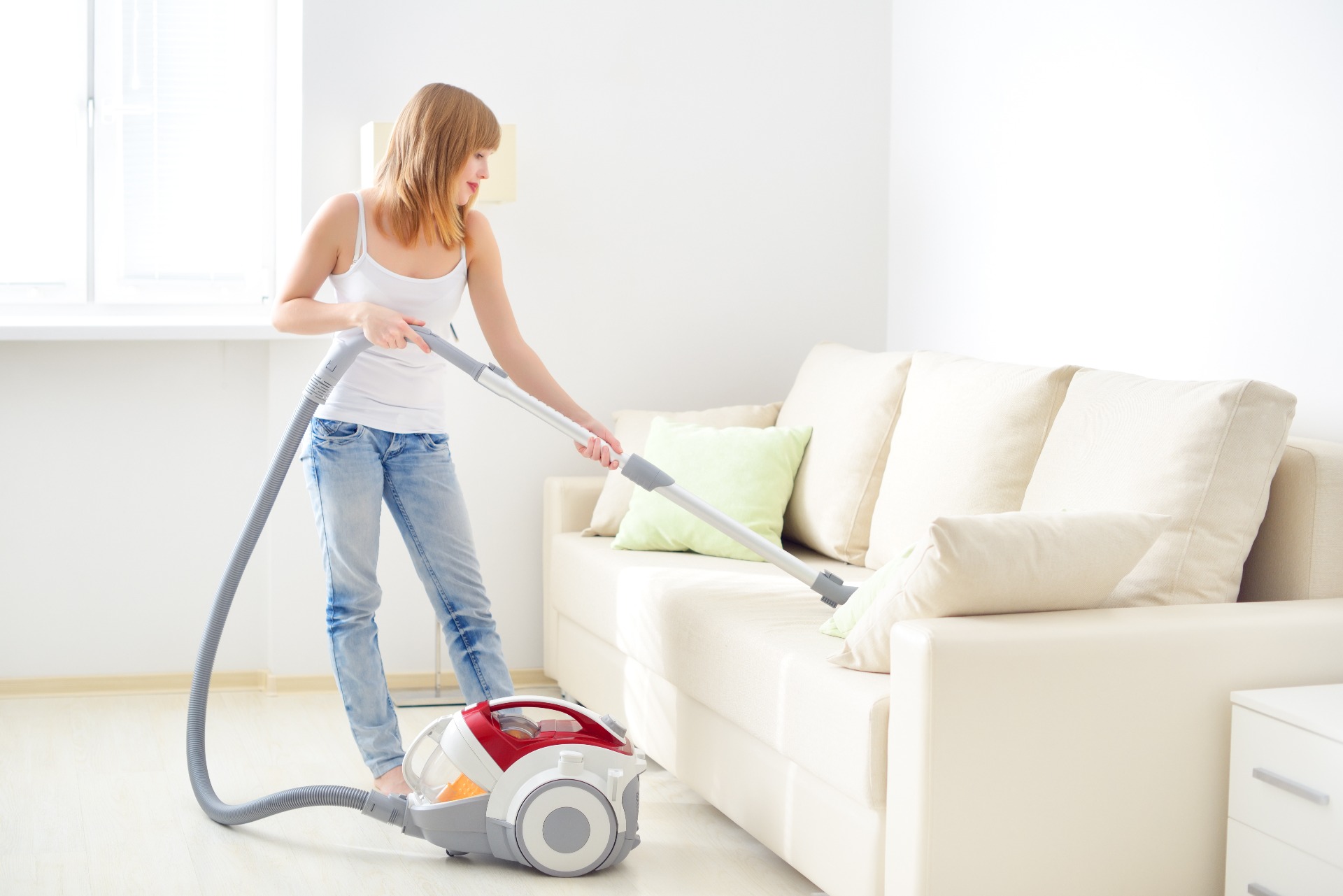
✔ Thoroughly clean the room – dust, sweep, and mop floors, including areas behind beds and furniture. By removing dust before treatment, the insecticide will adhere better to surfaces and create a protective residual layer that remains effective until the follow-up treatment.
✔ Carefully cover computers, printers, sensitive electronics, documents, and similar items.
✔ Cover aquariums, terrariums, and other enclosures that cannot be moved. The products used may be highly toxic to cold-blooded animals.
✔ Place bedding and clothing from wardrobes into sealed plastic bags. Wash them at a minimum of 60°C (140°F), preferably using the longest wash cycle available. Open the bags only directly next to the washing machine, as bed bugs may still be present inside. Dispose of the used bags immediately afterwards.
✔ Remove bed headboards and decorative elements (unscrew wooden panels, remove wall carpets, posters, mirrors, shelves, etc.) and leave them in the room for treatment.
✔ Place personal belongings in sealed plastic bags and leave them on a table within the room.
✔ Completely empty wardrobes, bedside tables, desks, drawers, shelves, and storage compartments.
⚠ Important Information
Do Not Move Items Between Rooms
Do not move clothing, bedding, furniture, or any other items from the infested room to other parts of the apartment. Doing so may spread bed bugs and significantly worsen the infestation.
Do Not Use Over-the-Counter Insecticides
Before our technician arrives, do not apply any store-bought sprays, foggers, aerosols, or other insect control products.
These products rarely eliminate bed bugs completely. Instead, they often cause bed bugs to spread into other rooms, hide deeper within structures, or change their hiding locations. This makes professional extermination more difficult and may require additional treatments.
If you have already used any insecticide, spray, fogger, or similar product, you must inform the technician before treatment begins.
This information helps us choose the most effective treatment strategy and correctly assess bed bug behavior following previous applications.
Why Are Two Treatments Necessary?
Adult bed bugs, immature stages, and eggs hide deep inside cracks, furniture joints, and other hard-to-reach areas.
Some eggs may survive the first treatment. Approximately 10–14 days later, newly hatched bed bugs emerge and are eliminated during the second treatment.
For this reason, a follow-up treatment is a standard part of professional bed bug eradication and significantly increases the success rate.
During the Treatment
The insecticide used is almost odorless, although it may cause temporary irritation of the respiratory tract.
People and animals must not remain in treated rooms during the application. Occupants should stay in untreated areas or leave the apartment entirely.
Morning treatments are ideal, as the product will dry during the day, the apartment can be ventilated, and the room can usually be used again by the evening.
During treatment and for at least 4 hours afterwards (preferably longer), intensive ventilation is required.
After the Treatment
✔ Return to treated rooms only after thorough ventilation (minimum 4 hours).
✔ Pets and small children may come into contact with treated surfaces only after they are completely dry.
✔ Do not wet-clean treated surfaces for the following two weeks, as this may remove the residual protective layer.
✔ Clean floors using dry methods only (sweeping).
✔ Do not vacuum upholstered furniture or treated surfaces.
✔ Put clean bedding on beds, avoid moving furniture, and do not bring new furniture into the treated room.
✔ Wipe only surfaces that may come into contact with food, using warm water and detergent.
✔ Store treated belongings at a sufficient distance from infested beds and furniture.
✔ Wash bedding at least once per week at 60°C (140°F).
✔ Do not use steam cleaners on treated surfaces. Steam destroys the active ingredient and significantly reduces treatment effectiveness.
If you have sensitive items that you would prefer to treat using a non-chemical method, please let us know. We have a professional steam treatment system and can safely treat sensitive items such as children's belongings, selected types of pillows, pet accessories, dining benches, and similar items.
Safety Instructions for Small Children and Pets
Once the product has completely dried and the area has been thoroughly ventilated, it is safe to occupy the treated rooms.
However, we recommend:
✔ keeping small children away from treated floors and furniture until all surfaces are completely dry
✔ removing children's toys, pacifiers, bottles, and any objects that may be placed in the mouth before treatment
✔ removing pet bowls, toys, and accessories before treatment
✔ allowing pets back into treated areas only after complete drying and ventilation
The Most Common Mistake After the First Treatment
Many clients become concerned when they still see a live bed bug during the days following the first treatment.
This does not mean that the treatment has failed.
On the contrary, bed bugs often leave their hiding places and become more active after exposure to the insecticide. This is a normal part of the eradication process.
Remain calm, follow all instructions, and wait for the second treatment, which will complete the eradication process.
If you are unsure about any part of the preparation process or have any questions, please do not hesitate to contact us. We will be happy to help ensure that your apartment is properly prepared and that the treatment is as effective as possible.